244 Million Children Attend Schools With No Toilet at All, New WHO-UNICEF Report Finds
244 Million Children Attend Schools With No Toilet at All, New WHO-UNICEF Report Finds
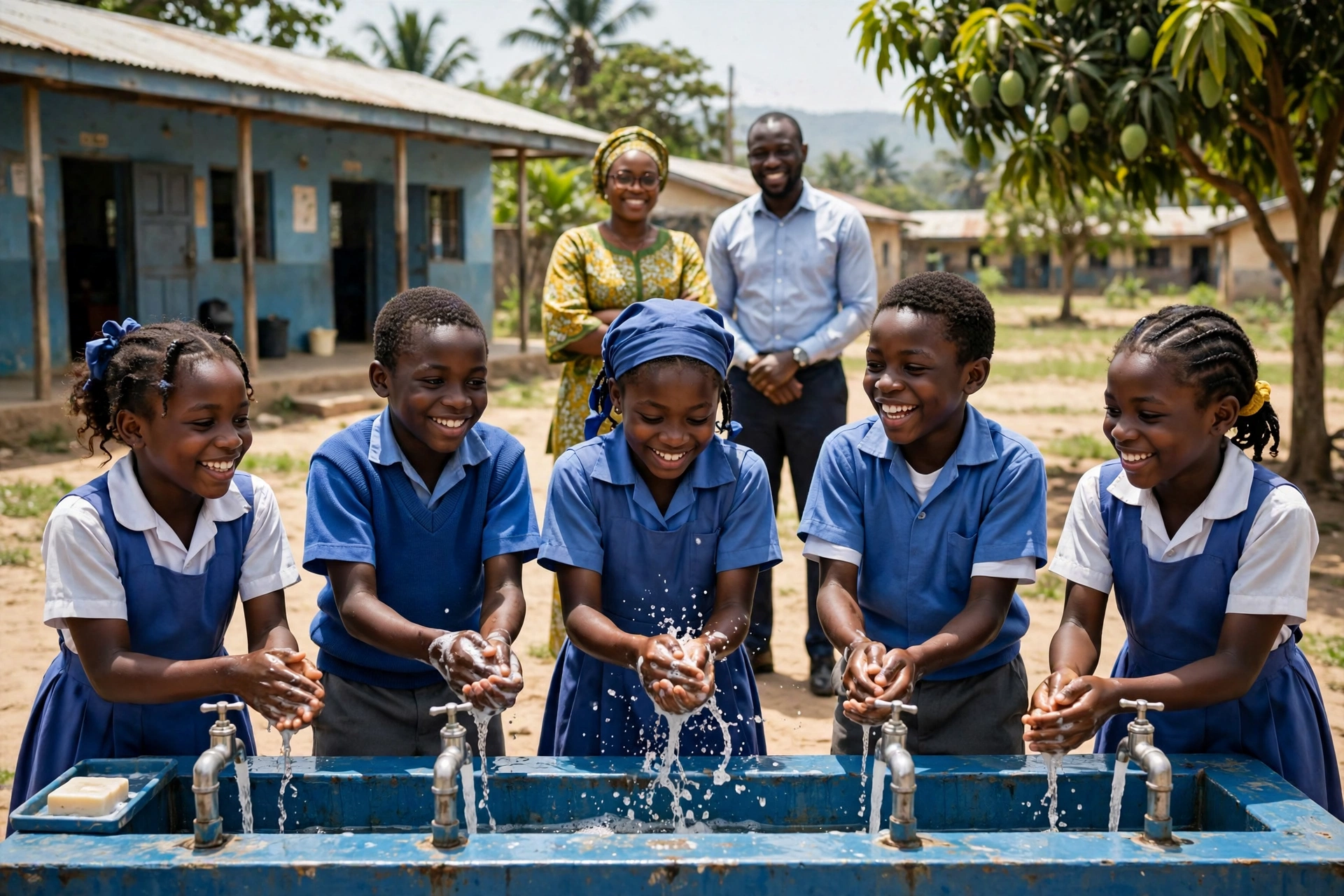
A major new report from the WHO/UNICEF Joint Monitoring Programme (JMP), Progress on Drinking Water, Sanitation and Hygiene in Schools 2015–2025, has revealed that 244 million school-age children worldwide attend schools that have no sanitation service at all. The report, released this autumn, warns the world is not on course to provide universal access to basic WASH services in schools by 2030.
The findings place Nigeria among the countries carrying the heaviest burden. Coverage of the report notes that Nigeria ranked just behind India, with an estimated 34 million children lacking sanitation services at their schools. Globally, the report finds that only 77 per cent of schools have basic sanitation services, 78 per cent have basic drinking water, and 72 per cent have basic hygiene services — with progress on sanitation needing to accelerate fivefold to reach universal coverage by 2030.
The figures echo what earlier national data has shown inside Nigeria. According to the 2021 WASHNORM II survey cited by UNICEF, only 11 per cent of schools nationwide have access to basic water, sanitation and hygiene services combined, with even lower figures in rural areas. In January, UNICEF used a media dialogue in Kano State to call for stronger accountability on child-focused WASH commitments, warning that inadequate facilities in schools pose serious risks to children's health, learning and dignity — and contribute to school absenteeism, especially among girls.
International partners are responding. In 2025, the UK Government invested £19 million under its Climate Resilient for Basic Infrastructure (CRIBS) programme, supporting 84 climate-resilient health and education facilities in Kano and Jigawa states. UNICEF also signed a partnership with China Exim Bank expected to bring improved basic WASH services to 110 million children across schools, health facilities, markets and communities in Nigeria.
The Simon Community Development Initiative says the findings strengthen the case for its Covered Ground programme, which supplies clothing and hygiene kits to families in Ebonyi State and across Nigeria. "Sanitation statistics like these are not abstract," an SCDI spokesperson said. "Clean water infrastructure is a long-term national task; making sure a child has soap, a toothbrush and disinfectant at home is something we can do today."
Covered Ground pairs hygiene kits with clothing for children in low-income households, aiming to keep children healthy, in school, and learning with dignity while broader infrastructure gaps are addressed.
Read more: The full JMP findings and data on WASH in schools are published at washdata.org. UNICEF's call for stronger WASH accountability for Nigerian children, with national survey data, is covered in this NAN report. Background on the Day of the African Child 2026 theme — universal WASH access for every child — is available here.
You can help a family like this one.
Your donation to Covered Ground goes directly to families in Ebonyi State and across Nigeria.
Donate to Covered Ground